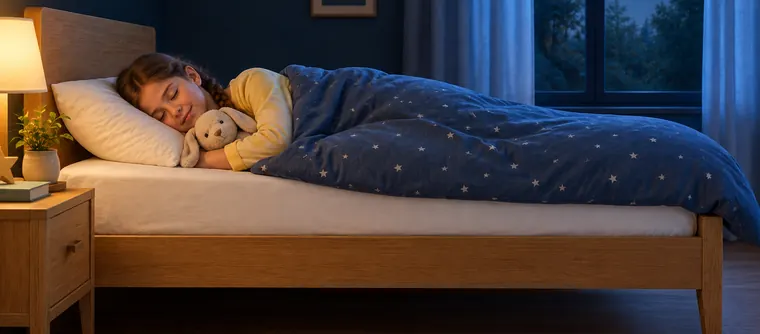
The best pillow for kids is low and small, sized for a child's neck and shoulders. For school-age children, any comfortable position is fine. A dark room with a dim, warm night light if they need one, a waterproof mattress protector for accidents and the same bedtime every night help most. Babies under one year should sleep on their back on a firm, flat surface with no pillow or soft bedding.
What to get
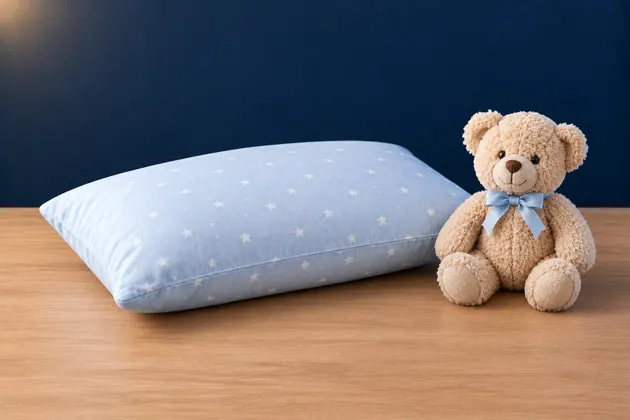
Low-Loft Kids Pillow
A lower, smaller pillow sized for a child's neck and shoulders.
Waterproof Mattress Protector
Keeps the mattress dry and clean after accidents.
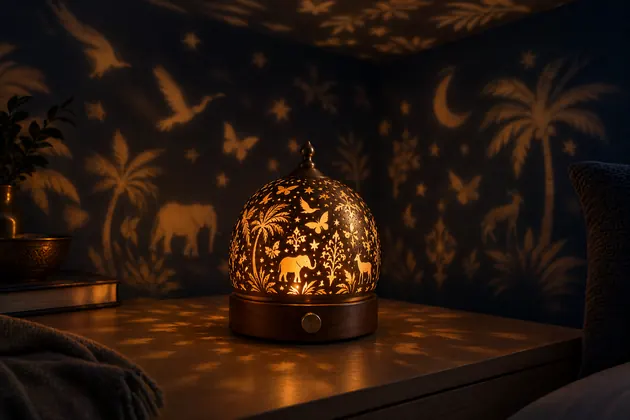
Warm Dimmable Night Light
A soft, warm glow that eases fear of the dark without keeping kids awake.
Prices and availability change, so the buttons open current options on Amazon.
Common questions
What is the best pillow for kids?
A low, small pillow sized for a child's neck and shoulders, with a washable cover. Children under one year should not use a pillow.
How much sleep does a school-age child need?
Children aged 6 to 12 generally need about 9 to 12 hours of sleep a night, according to sleep medicine guidance.
When can a child use a pillow?
Not before one year. Most children are ready for a small, low pillow once they move from a cot to a bed as toddlers.
Is bedwetting normal?
Yes, it is common in young children and usually stops as they grow. Talk to a doctor if it starts suddenly or continues past about age seven.
Are night lights bad for sleep?
A bright or blue-white light can delay sleep. A dim, warm amber light is the gentler choice.
Last updated 2026-10-14. General information, not medical advice.